
美国实验生物学学会联合会【FASEB】— 不老莓有助于降低血糖缓解炎症
一起车尔西·举杯祝江山

FASEB
Federation of American Societies
for Experimental Biology


"FASEB
美国实验生物学学会联合会
该论文发表于美国实验生物学学会联合会杂志201007期
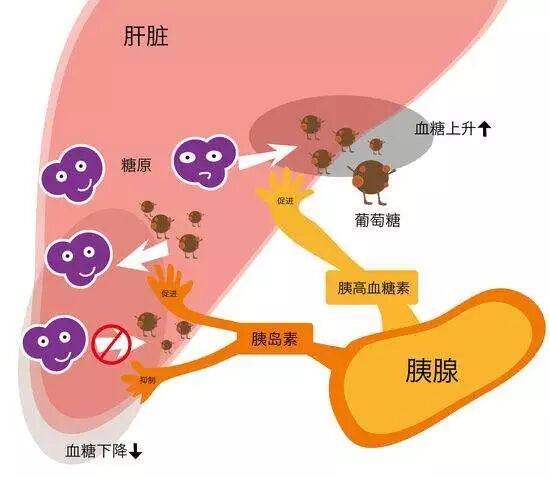

FASEB英文原版
When was the last time you ate chokeberries? If you are not familiar with these tasty, nutritionally rich fruits, you may want to be, especially because they offer a variety of health benefits, including helping with weight loss and reducing inflammation.
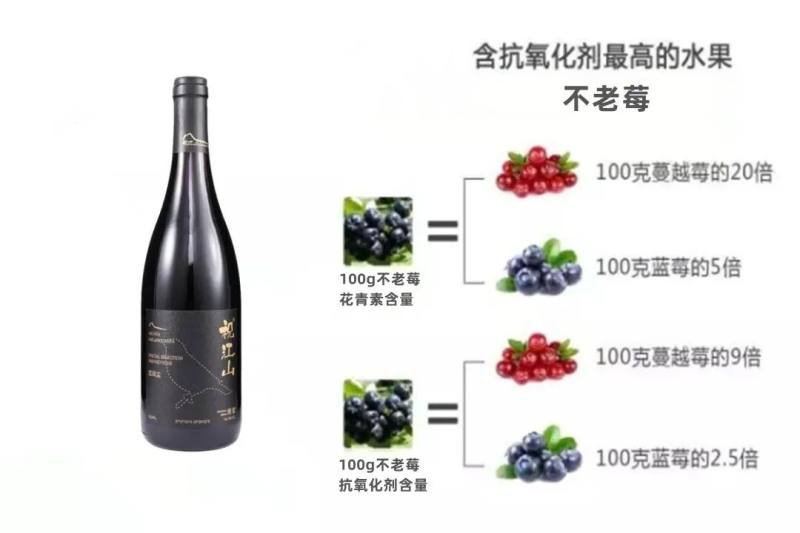
Chokeberries (Aronia melanocarpa) are small (about 1 cm) fruits that have relatively thick, pigmented skin that come in several colors, including black, red, and blue. The red are sweeter than the black ones, and both the black and blue chokeberries are richer in the antioxidants anthocyanins than the red.
Chokeberries contain many different anthocyanins, including quercetin, epicatechin, peonidin, petunidin, among others. According to one source, the total anthocyanin content in chokeberries is 1,480 mg per 100 grams of fresh berries. They also have one of the highest ORAC (oxygen radical absorbency capacity; a measurement of antioxidant strength) values of any food: 16,062 micromoles of Trolox Equivalents, or about three times greater than blueberries. Scientific studies have shown that chokeberries offer protection against cancer, neurological diseases, inflammation, diabetes, bacterial infections, and aging.
In this newest study, scientists from the US Department of Agriculture in Beltsville, Maryland, analyzed the impact of chokeberry extract on 18 prediabetic rats. The rats were randomly assigned to receive either pure water or water spiked with low or high levels of chokeberry extract for six weeks. After six weeks, the scientists compared body weight, body fat, blood glucose regulation, and markers for inflammation in the rats.
The rats that had consumed the chokeberry extract weighed less than the controls, regardless of the level of extract they had taken. Chokeberry extract use was also associated with a reduction in body fat, lower blood glucose, and reduced levels of triglycerides, cholesterol, and low-density lipoprotein (LDL) cholesterol when compared with controls. Scientists also observed changes (e.g., lower expression of interleukin-6, a protein that triggers inflammation) that would probably result in a reduction in chronic inflammation and perhaps even cancer risk.
Although this study was in rats and human studies are needed, the researchers believe their finding “provides evidence that the chokeberry extract inhibits weight gain in insulin-resistant animals and that it modulates multiple genes associated with adipose tissue growth, blood glucose regulation, and inflammatory pathways. Because chokeberries are bitter, they are best enjoyed if you mix them with other fruits or in fruit blends, sweetened syrups, jellies, or in supplements.
SOURCES:
Federation of American Societies for Experimental Biology (July 24 2010). Retrieved July 26, 2010, from http://www.sciencedaily.com¬ /releases/2010/04/100426072123.htm
声明:版权归原作者所有,部分图片来源于网络公开渠道,不能识别来源,在此引用仅作为科普宣传素材,非商业用途,如有侵权,请联系更正。